Difficulty, failure and the moment players quit
Players will fail your game hundreds of times and keep playing. They will also fail once and close it forever. The difference is not how hard the game is, it is what failing costs them and whether they understood it.
In this article
Open to new projects
Hadjoudj Idris
Game UI/UX Designer
Upwork100% Job Success
Hire me Browse the workDifficulty gets discussed as a number: a slider, a multiplier, an enemy health value. The part that decides whether people keep playing is not the number at all. It is the fifteen seconds after they lose, which in most games is the least designed stretch in the entire experience.
Players do not quit because it is hard
Hard games have devoted audiences. What ends sessions is a smaller set of specific experiences, and each one has a different fix.
| What they felt | What actually happened | The fix lives in |
|---|---|---|
| "That was unfair" | No warning, or an unavoidable hit | Telegraphing and encounter design |
| "I do not know what I did wrong" | Failure with no legible cause | Feedback |
| "I cannot be bothered to do that again" | The retry cost is too high | The retry loop |
| "I am not good enough for this" | No route to succeed except raw skill | Options and assists |
| "It is just repetitive now" | Failure teaches nothing new | Encounter variety and difficulty curve |
| "I lost an hour of progress" | Save and checkpoint design | Structure, not difficulty |
Only two of those six rows are about difficulty. The rest are about what happens around it, which is why turning enemy damage down rarely fixes a game that people are quitting.
The three costs of failure
- Time. The seconds between failing and playing again. This is the one that decides whether the player tries once more.
- Progress. Anything lost: currency, items, a run, a level's worth of exploration. Losing progress is far more painful than losing time.
- Dignity. How the game treats them for failing. A wry line lands the first time and grates on the twentieth; a lecture never lands.
A game can charge heavily on one of these and stay compelling. Charging on all three at once is where players stop, and it usually happens by accident because each cost was added by a different person for a good reason.
The retry loop
Measure this in your own game today. Fail, then time it with a stopwatch until you are playing again. Not until the level loads. Until you have control and the game has resumed.
| Seconds to playing again | What it produces |
|---|---|
| Under 2 | One more go, reflexively. This is the loop fast action games are built on |
| 2 to 5 | Still tight. Fine for most games with a run structure |
| 5 to 15 | A decision point. The player thinks about whether to continue |
| 15 to 30 | Most players check their phone. Attention leaves the game |
| Over 30 | The session is at genuine risk, every single time |
- Retry holds focus on the death screen, so a controller player can press once and be back.
- Skip the menu. Returning to a level select after every failure adds a decision nobody wants to make.
- Do not replay the cutscene. Ever, after the first time.
- Reload from the checkpoint, not the level start, and place checkpoints before the hard part rather than before the corridor leading to it.
- Load in the background if you can. A death screen that is already loading behind it turns a wait into a moment.
- Keep the loadout. Making players re-equip after every failure is a tax on the thing they are already unhappy about.
Fair failure: three questions
A failure is fair when the player can answer yes to all three. Any no is a design fix rather than a balance one.
- Did I see it coming? The threat was visible or audible, with enough time to respond. Telegraphing is covered in feedback.
- Could I have done something? There was an available action that would have worked. If not, the encounter is a scripted loss wearing combat clothes.
- Do I know what to change? The player leaves with a hypothesis. Without one, the next attempt is the same attempt.
Difficulty options without shame
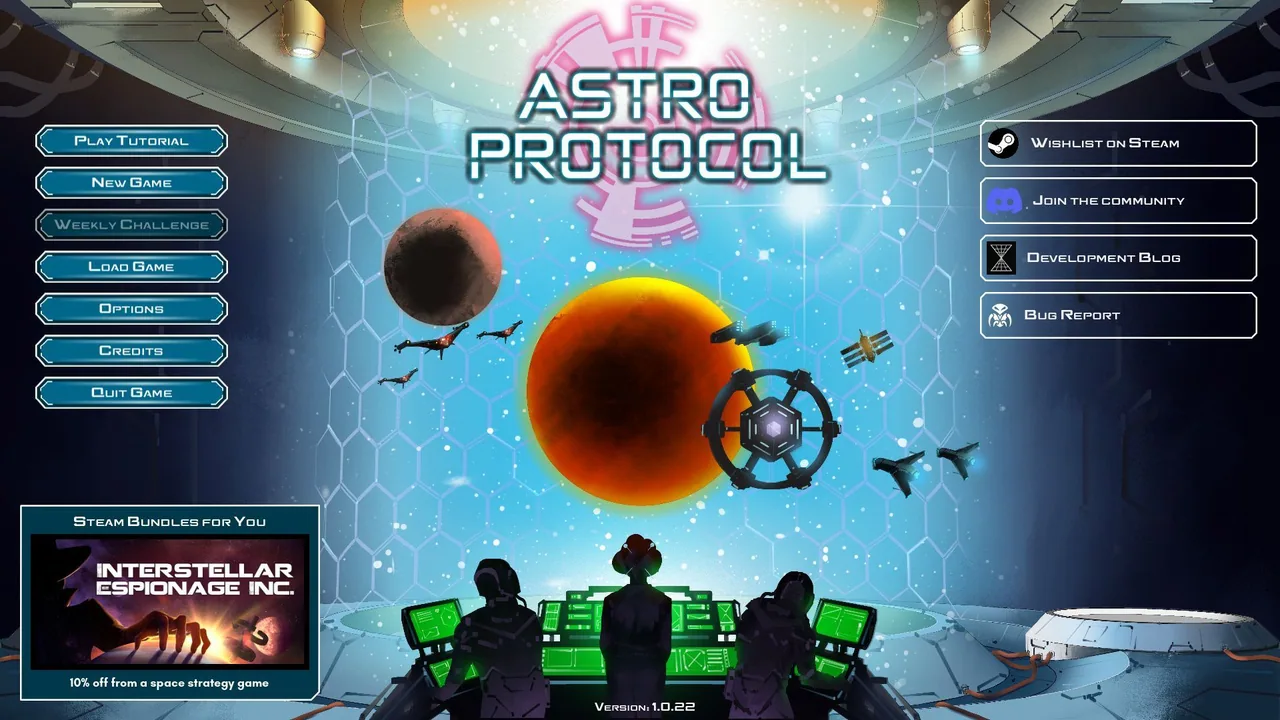
Difficulty selection is a piece of interface writing as much as a design decision, and the words do a lot of work.
- Name modes by experience, not by worth. "Story", "Balanced", "Challenge" rather than "Easy", "Normal", "For real players". Nobody wants to pick the option that describes them as bad.
- Never punish the choice. Locking achievements, endings or content behind higher difficulty converts an accessibility feature into a penalty.
- Let it change at any time, without restarting. A player who hits a wall at hour nine should not have to abandon a save.
- Offer granular assists, not just one slider: aim assist, damage taken, timing windows, puzzle skip, infinite resources. Players know which specific thing is blocking them.
- Say what each option does in plain words. "Enemies deal less damage" beats "Reduced threat scaling".
- Ask again after repeated failure, once, gently, without implying anything. Offering after the fifth attempt at the same encounter is helpful; offering after the first is insulting.
Dynamic difficulty
Adjusting difficulty invisibly based on how the player is doing is powerful and easy to get wrong, because the failure mode is the player noticing.
- Adjust the surroundings, not the core. More health pickups, slightly fewer enemies at once, a longer window. Not enemy health mid-fight.
- Never let the player detect it. The moment they suspect the game is going easy on them, every win is devalued retroactively.
- Do not punish success. Ramping difficulty because a player is doing well is the version that makes people feel the game is fighting them.
- Be careful in competitive contexts. Hidden assistance in anything with leaderboards or multiplayer is a trust problem, not a design one.
- Consider telling them instead. An explicit "struggling? here are some options" is often better received than silent help.
The death screen
The most consequential screen in a lot of games, and usually the least designed. It has four jobs and about two seconds to do them.
- Say what happened, specifically. What killed them, from where, in what state. A cause the player did not know is the number one source of "that was unfair".
- Show what was kept. Currency earned, progress banked, anything permanent. This converts a loss into a step, which is the whole engine of run-based games.
- Offer retry first, holding focus, one press away, with everything else secondary.
- Get out of the way fast. A long animation on the twentieth failure is the moment sessions end. Make it skippable and make the skip obvious.
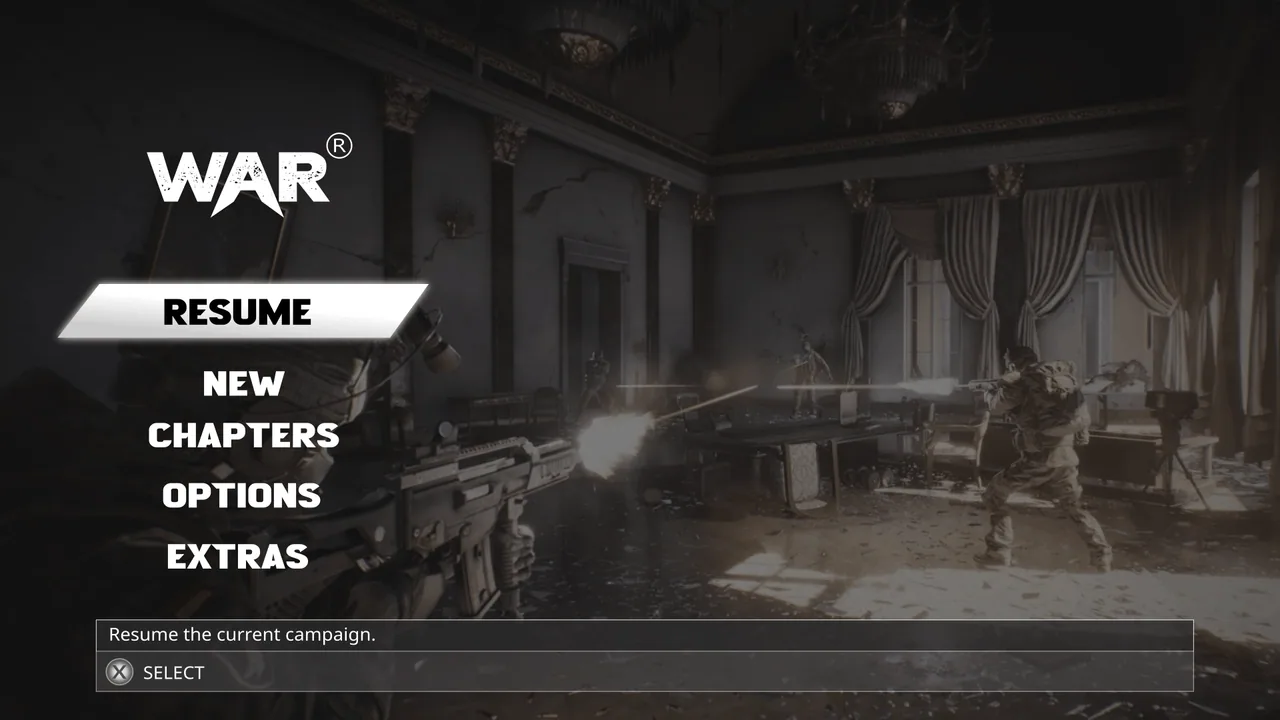
The screens around this are where a lot of retention quietly lives, and they sit right next to the run summary and reward moments described in progression.
The most important screen in a hard game is the one that appears when the player loses. It decides whether there is a next attempt.
Telling frustration and challenge apart
In a playtest they look different, and knowing which one you are watching decides whether you tune numbers or redesign an encounter.
| Challenge looks like | Frustration looks like |
|---|---|
| Leaning in, trying variations | Repeating the same approach with no change |
| Talking about what to try next | Going quiet, or blaming the controls |
| Retrying immediately | Pausing before retrying, or opening a menu |
| Annoyed at themselves | Annoyed at the game |
| Remembers the win | Remembers the failures |
Watching for those is the point of the sessions in how to run a playtest, and it is the fastest route to knowing whether a spike is a good one.
A difficulty and failure audit
- Time your retry loop with a stopwatch. Write the number down.
- Die five times deliberately and note whether you knew the cause every time.
- Check whether retry holds controller focus on the death screen.
- Fail at your hardest encounter and count the presses back to playing.
- Read your difficulty option names out loud. Would you pick the easiest one in front of a friend?
- Check whether difficulty can be changed mid-game.
- List everything a failure costs the player. If it is time, progress and dignity, remove one.
- Find your longest unskippable animation after a failure.
- Look at where your drop-off data spikes and go play that exact encounter.
- Ask a struggling playtester what they would change about their approach. If they have no answer, the failure is not legible.
Does adding an easy mode hurt a game's identity?
Not if the options are framed as ways to play rather than as concessions, and not if nothing is locked behind difficulty. Games known for being hard have shipped assists without losing their reputation. What does damage identity is naming modes so that choosing one feels like an admission.
How fast should a retry be?
Under two seconds for fast action games where repetition is the loop, and under five for most others. Past fifteen seconds you are asking the player to make a decision about whether to continue, and after a frustrating failure that decision often goes against you.
Should difficulty be chosen before the player knows the game?
Ideally not. Asking at the start means guessing, which is why so many players pick the middle option and never change it. Better to start balanced, let it be changed at any moment, and offer the choice again after repeated failure at the same point.
Is dynamic difficulty adjustment a good idea?
It works when it adjusts the surroundings rather than the core, and when the player never detects it. It backfires badly if noticed, because it retroactively devalues every success, and it is a trust problem in anything with leaderboards or multiplayer.
How do I tell if my game is too hard or just unclear?
Watch players fail. If they change approach each attempt, it is a challenge. If they repeat the same attempt, they do not understand the failure, which is a legibility problem and no amount of tuning will fix it.
What should a death screen show?
The cause, what was kept, and a retry that holds focus and is one press away. Everything else is secondary and should be skippable, because the twentieth time a player sees this screen is the time that decides whether the session continues.
Hadjoudj Idris
Game UI/UX Designer, Remote, worldwide
Need this done properly on your game?
Menus, HUDs, a full UI system, or one screen that isn't working. Tell me what you're building and I'll tell you honestly whether I'm the right fit, and what it would cost.
Upwork100% Job Success